
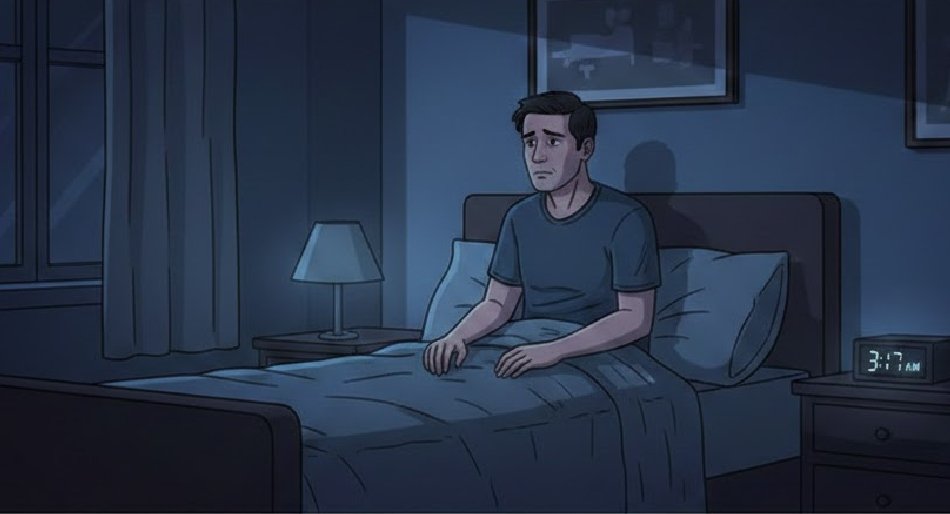
A lot of people think that sleep apnea is the only serious sleep problem. Sleep apnea is a common cause of waking up tired every morning, but it’s not the only one. Your body may be dealing with a less common sleep disorder if you sleep for seven or eight hours but still feel tired.
It’s not normal to be tired all the time, even after resting. Even if you don’t remember waking up at night, it means your sleep quality is bad. Knowing about these hidden sleep disorders can help you get the proper care early and avoid health problems in the future.
Why Being Tired After Sleeping Is a Warning Sign
Your body and brain can heal while you sleep well. Your body can’t heal itself when you don’t get enough sleep or when you wake up too early. Over time, this makes you tired, makes it hard to focus, changes your mood, and raises your health risks.
If sleep apnea tests come back normal but the symptoms don’t go away, there may be other sleep disorders at work.
Lesser-Known Sleep Disorders That Cause Chronic Fatigue:
Upper Airway Resistance Syndrome (UARS)
UARS happens when the airway gets smaller while you sleep, but doesn’t completely close. Breathing becomes hard, and the brain wakes up over and over again to keep the air flowing. People often feel tired even when they don’t snore loudly or lose oxygen.
Disorder of Periodic Limb Movement
This condition makes you move your arms or legs over and over while you sleep. These movements wake you up from deep sleep and make your sleep less restful overall.
Disorder of Insomnia
Insomnia isn’t just having trouble falling asleep. It also includes waking up a lot and not getting enough sleep. A lot of people don’t realise how much it affects them.
Disorders of Circadian Rhythm
When you don’t sleep at the same time every night, your body clock gets messed up. Common triggers include working the night shift and using screens late at night.
Too much sleep
Some people sleep for a long time but still feel tired. This condition makes you less alert and affects your daily life.
Things to Look Out For
- Fatigue that lasts all day
- Brain fog or trouble remembering.
- Headaches in the morning
- Not very motivated
- Mood swings or being irritable
- Hard to focus
You shouldn’t ignore these symptoms if they don’t go away.
How to Tell If You Have a Sleep Disorder
A sleep specialist looks at your sleep patterns, habits, and medical history. Sleep studies, sleep diaries, and breathing tests are some examples of diagnostic tools. Early diagnosis stops problems from getting worse.
Here are some more tips on how to get better sleep:
Sleep Disorders and Their Key Features
| Sleep Disorder | Main Symptoms | Commonly Missed Because… |
|---|---|---|
| UARS | Daytime fatigue, light snoring | Normal oxygen levels |
| Limb Movement Disorder | Restless sleep, morning tiredness | Patient unaware of movements |
| Insomnia | Poor sleep quality | Assumed stress-related |
| Circadian Rhythm Disorder | Irregular sleep timing | Lifestyle factors |
Frequently Asked Questions (FAQ)
Yes. Many disorders like insomnia and UARS occur without loud snoring.
Often yes. Sleep fragmentation reduces physical and mental recovery.
Stress worsens sleep quality but may also hide underlying disorders.
Yes. With proper diagnosis, most sleep disorders improve significantly.
When to Get Medical Help
If being tired is getting in the way of work, relationships, or safety, you should see a doctor. Early treatment gives you energy back and stops long-term health problems from getting worse.
