
What Is Light Therapy?
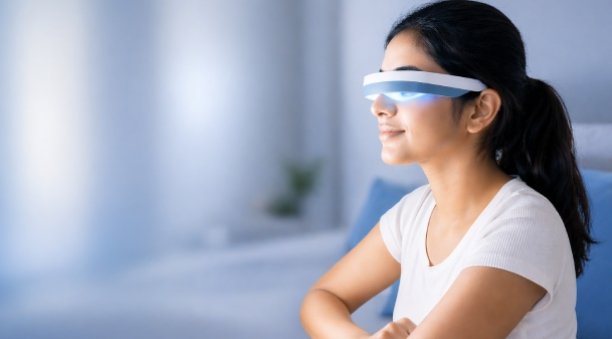
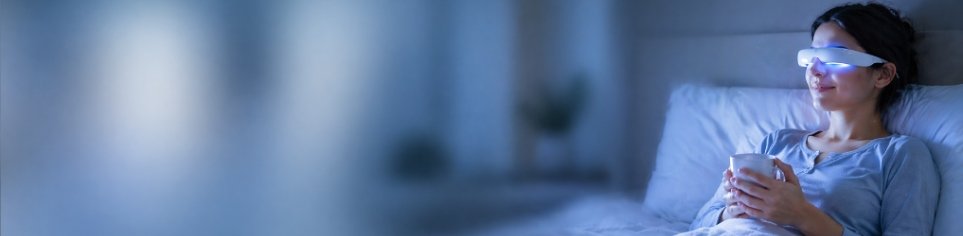
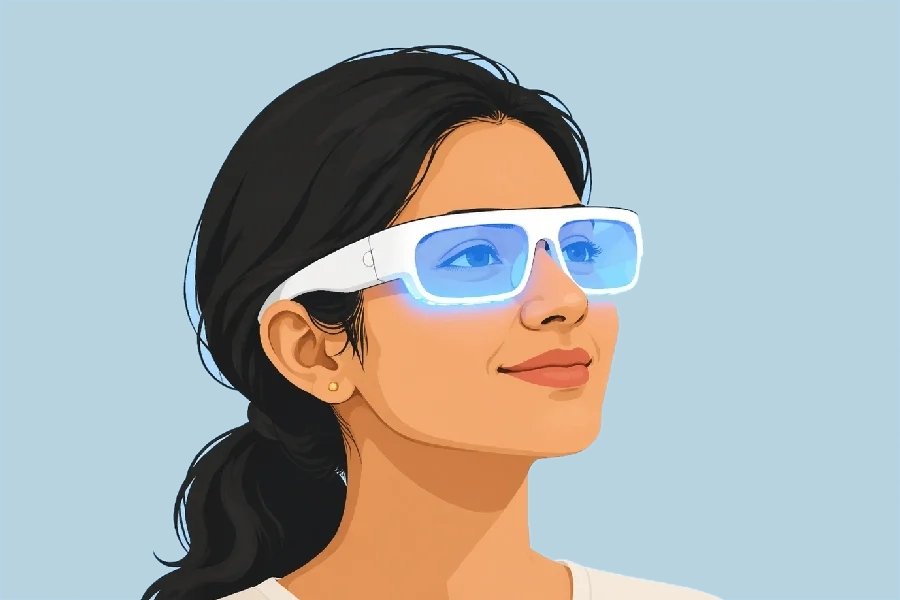
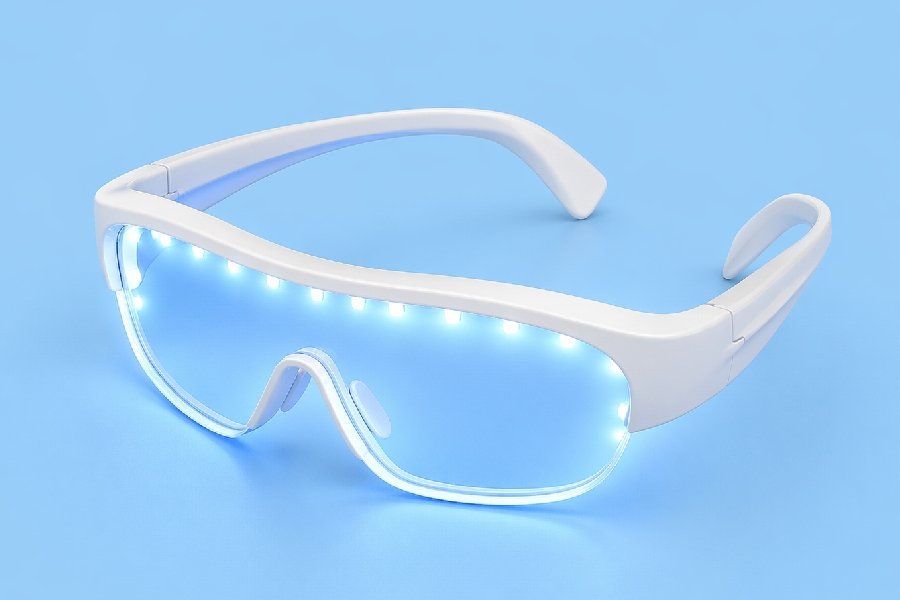
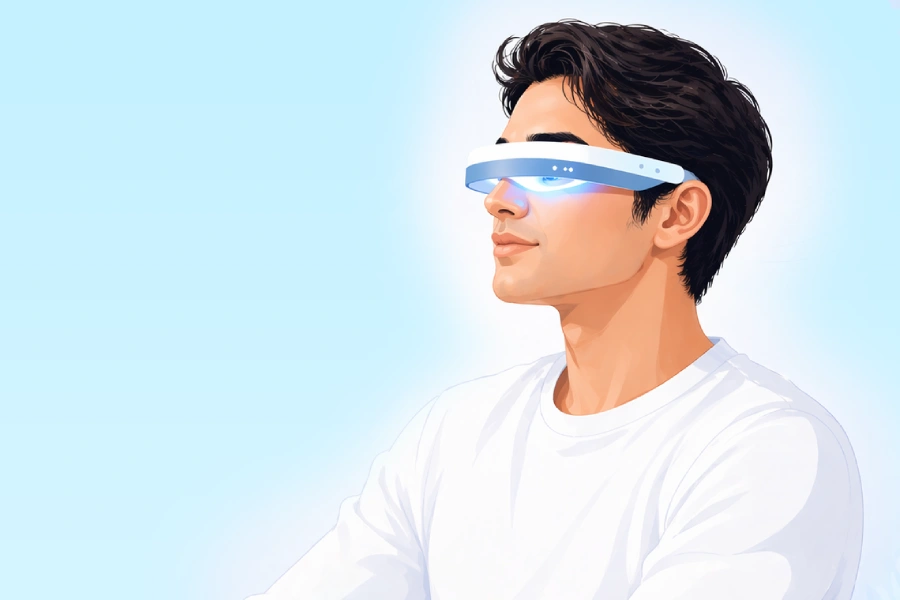
Light therapy involves controlled exposure to bright white light at specific times of the day to regulate the brain's sleep–wake rhythm.
Light directly influences the suprachiasmatic nucleus (SCN) in the brain, which controls:
- Melatonin secretion
- Sleep timing
- Alertness and daytime energy
- Mood and cognitive performance
When timed correctly, light therapy can advance or delay sleep, depending on the individual's problem.
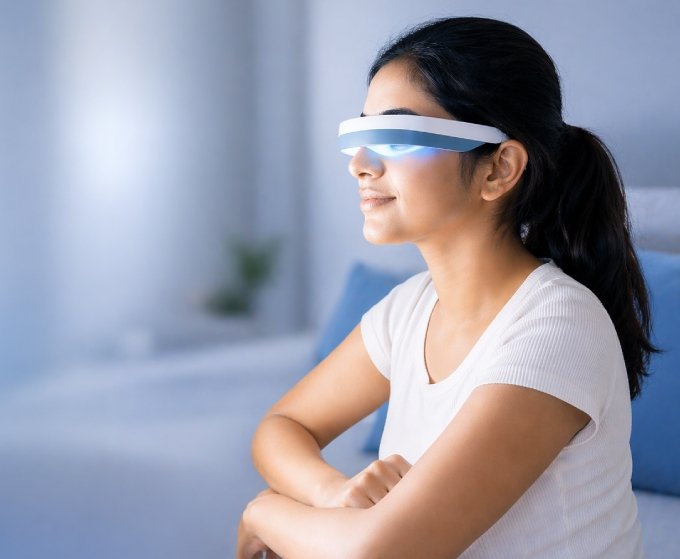
Who Can Benefit from Light Therapy?
Delayed Sleep Phase Disorder
- Common in teenagers, young adults, IT professionals
- Difficulty falling asleep until very late night
- Difficulty waking up in the morning
Irregular Sleep-Wake Rhythm
- Shift workers
- Frequent travellers
- Medical professionals with night duties
Insomnia (Circadian-related)
- Difficulty initiating sleep due to circadian misalignment
- Poor sleep quality despite adequate opportunity to sleep
Excessive Daytime Sleepiness
- Low morning alertness
- "Brain fog" despite sufficient sleep duration
Seasonal & Non-seasonal Mood-related Sleep Issues
- Low energy, low motivation associated with reduced light exposure
How Does Light Therapy Work?
Light Therapy for Healthy Sleep
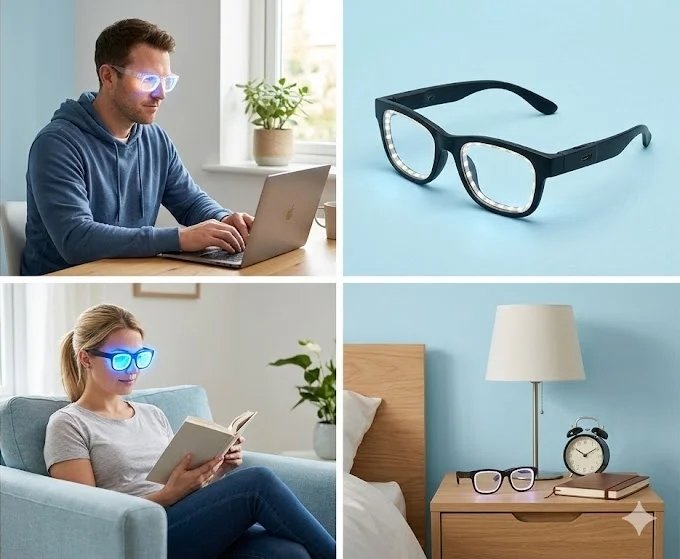
Light therapy works by:
- Suppressing daytime melatonin
- Shifting the circadian rhythm earlier or later
- Improving morning alertness
- Enhancing sleep onset at night
Light Therapy at Dr Nalini Nagalla's Clinic
At our clinic, light therapy is not a generic recommendation. It is prescribed only after careful evaluation.
Step-by-Step Approach:
Detailed Sleep Assessment
Sleep history, lifestyle and work schedule, screen exposure and sunlight patterns
Sleep Study (if required)
To rule out obstructive sleep apnea, PLMD, or other sleep disorders
Circadian Rhythm Evaluation
Identifying delayed or misaligned sleep phase
Personalised Light Therapy Protocol
Type of light (intensity & spectrum), timing (morning / evening), duration, home-based or device-assisted therapy
Follow-up & Fine-tuning
Adjustments based on response, integration with sleep hygiene and behavioural strategies
Is Light Therapy Safe?
When medically supervised, light therapy is safe and non-addictive.
Mild side effects (uncommon and temporary) may include:
- Eye strain
- Headache
- Nausea (rare)
Patients with certain eye conditions or bipolar disorder require special precautions, which are carefully evaluated.
Light Therapy vs Sleeping Pills
| Parameter | Light Therapy | Sleeping Pills |
|---|---|---|
| Approach | Corrects root cause | Treats symptoms |
| Dependency | Non-drug | Drug-dependent |
| Addiction Risk | No addiction | Risk of dependence |
| Duration | Long-term benefit | Short-term relief |
Why Choose Dr Nalini Nagalla?

Pulmonologist & Sleep Medicine Specialist
- Expertise in circadian rhythm disorders
- Evidence-based protocols
- Integration with sleep studies and behavioural sleep therapy
- Focus on long-term sleep health, not quick fixes
When Should You Consult?
Consider a professional sleep evaluation if you experience any of the following:
Sleep very late despite trying hard
Feel sleepy during the day
Struggle to wake up on time
Depend on sleeping pills
Are a shift worker or night-duty professional