
Most people associate Chronic Obstructive Pulmonary Disease (COPD) exclusively with chain-smokers. It is a logical assumption, given that tobacco use is the leading cause of the condition worldwide. However, receiving a COPD diagnosis when you have never touched a cigarette can be confusing and isolating. Patients often feel stigmatized or misunderstood by the medical community and the public, which views lung disease through the lens of smoking history.
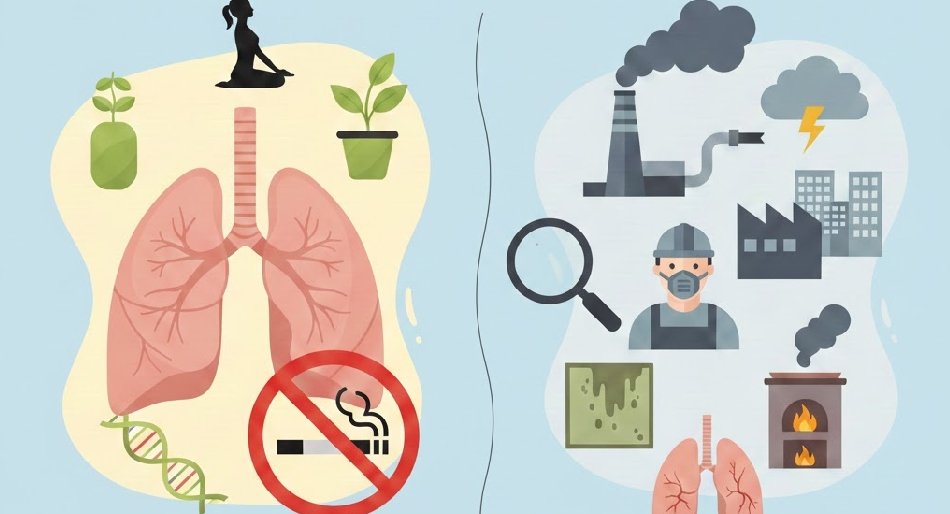
The reality is that lung health is influenced by a complex interplay of genetics, environment, and developmental history. A significant portion of COPD cases arises from factors completely unrelated to tobacco use. Understanding these hidden risks is essential for early diagnosis and effective management, particularly for those who assume they are immune.
Introduction: The Misconception of COPD as a “Smoker’s Disease”
For decades, public health campaigns have successfully linked smoking to lung damage. While this has reduced smoking rates, it has inadvertently created a blind spot. When a non-smoker develops a chronic cough or shortness of breath, COPD is rarely their first thought—and unfortunately, it is often not the first thought for general practitioners either.
This delay in suspicion leads to delayed diagnosis. Many non-smokers are treated for recurrent bronchitis or misdiagnosed with adult-onset asthma for years before the true nature of their condition is revealed. By the time a correct diagnosis is made, lung function may have already declined significantly.
We need to decouple the disease from the behavior. COPD is a physiological condition characterized by airflow obstruction, regardless of what triggers it.
Can Non-Smokers Get COPD?
The Short Answer: Yes — You Absolutely Can
While cigarette smoking remains the most well-known cause of Chronic Obstructive Pulmonary Disease (COPD), it is far from the only one. Medical research shows that nearly one in four people diagnosed with COPD have never smoked in their lifetime.
COPD develops when the airways and lung tissues experience long-term inflammation and structural damage. This damage can occur through multiple pathways — environmental exposures, occupational hazards, infections, genetics, and early-life lung development.
Because COPD is strongly associated with smoking, many non-smokers dismiss early symptoms or assume their breathing problems are related to aging, allergies, or lack of fitness. Unfortunately, this misconception often delays diagnosis and treatment.
Understanding that COPD can affect non-smokers as well is crucial for recognizing early warning signs and protecting long-term lung health.
Hidden Causes of COPD in Non-Smokers
Many people unknowingly face daily exposures that can slowly injure the lungs over years or even decades.
Indoor Air Pollution
In many households, especially where ventilation is poor, pollutants can accumulate indoors and significantly affect respiratory health.
Long-term exposure to smoke from cooking fuels such as wood, coal, crop residues, or kerosene can damage the airways and lung tissues. In many developing regions, biomass fuel exposure remains one of the leading causes of COPD among non-smokers, particularly women who spend long hours cooking in enclosed spaces.
Even in modern homes, indoor pollutants can contribute to lung irritation. Cleaning chemicals, incense smoke, mosquito coils, scented candles, and mold growth can release particles and volatile compounds that irritate the respiratory tract over time.
Prolonged exposure to these substances can trigger chronic inflammation, which gradually damages the small airways.
Second-Hand Smoke
You may never smoke yourself, but long-term exposure to cigarette smoke from others can still harm your lungs.
Second-hand smoke contains thousands of toxic chemicals that can irritate airway linings and reduce lung function. People who grew up in households where parents smoked, or who worked for years in environments where indoor smoking was common, may accumulate significant lung damage without ever lighting a cigarette.
Passive smoke exposure during childhood is particularly harmful because it interferes with normal lung growth and development, increasing the risk of respiratory disease later in life.
Occupational Dust and Chemical Exposure
| Industry | Primary Irritants | Mechanism of Injury |
|---|---|---|
| Agriculture / Farming | Grain dust, pesticides, ammonia, animal dander | Organic dust causes hypersensitivity and chronic airway inflammation |
| Construction / Mining | Silica dust, cement dust, coal dust, asbestos | Inorganic particles lodge in lung tissue causing fibrosis and obstruction |
| Textiles & Manufacturing | Cotton dust, chemical dyes, synthetic fibers | “Byssinosis” (brown lung) and chemical irritation damage bronchioles |
| Cleaning / Janitorial | Bleach, ammonia, strong disinfectants | Repeated inhalation of volatile chemicals damages airway lining |
| Welding | Metal fumes (cadmium, manganese) | Fine metal particles create oxidative stress in lung tissue |
Your workplace can also play a major role in lung health. Many occupations expose individuals to fine particles, industrial fumes, and chemical irritants that can damage the lungs over time.
These particles can penetrate deep into lung tissue and trigger chronic inflammation.
Common high-risk professions include:
• Construction and mining
• Agriculture and farming
• Textile and manufacturing industries
• Welding and metalwork
• Cleaning and sanitation services
Repeated inhalation of these irritants can lead to permanent narrowing of the airways and reduced lung capacity, eventually contributing to COPD.
Severe or Recurrent Respiratory Infections
Repeated lung infections can leave lasting damage in the respiratory system.
Conditions such as pneumonia, bronchitis, tuberculosis, and severe viral infections can cause inflammation and scarring in the airways. Over time, this structural damage may reduce airflow and impair lung function.
Individuals who experienced severe respiratory illnesses during childhood may also develop reduced lung capacity later in life. If the lungs never reach their full developmental potential, the natural decline in lung function that occurs with aging can push individuals into COPD territory earlier than expected.
Genetic Factors
A lesser-known but important cause of COPD is a genetic condition known as Alpha-1 Antitrypsin Deficiency (AATD).
Alpha-1 antitrypsin is a protein produced by the liver that protects lung tissue from damage caused by inflammatory enzymes. When this protein is deficient or dysfunctional, lung tissue becomes vulnerable to damage even without smoking or environmental exposure.
People with this genetic disorder may develop COPD or emphysema at a much younger age, sometimes as early as their 30s or 40s.
Because the condition is underdiagnosed, many individuals remain unaware of the genetic risk until significant lung damage has already occurred.
Early Symptoms Many Non-Smokers Ignore
Because COPD is often associated with smoking, many non-smokers dismiss early symptoms or attribute them to less serious causes.
However, recognizing the early warning signs is critical for timely diagnosis.
Common symptoms include:
🔹 Persistent cough lasting several months
🔹 Shortness of breath during routine activities
🔹 Frequent chest infections
🔹 Wheezing or chest tightness
🔹 Reduced exercise tolerance or fatigue during exertion
These symptoms may begin gradually and worsen slowly over time. Many people assume they are simply “getting older” or “out of shape,” which can delay medical evaluation.
Why Early Evaluation Matters
COPD cannot be completely reversed once significant lung damage has occurred. However, early detection can dramatically slow disease progression and improve quality of life.
One of the most important diagnostic tools is spirometry, a lung function test that measures how much air you can inhale and exhale and how quickly air leaves the lungs.
This test can detect airflow obstruction long before severe symptoms develop.
Early diagnosis allows healthcare providers to:
• Initiate appropriate inhaler therapy
• Identify and reduce environmental triggers
• Prevent recurrent respiratory infections
• Improve long-term lung function
• Develop personalized management strategies
The earlier COPD is identified, the more effective treatment can be in preserving lung capacity.
| Feature | Smoker’s COPD | Non-Smoker’s COPD |
|---|---|---|
| Primary Symptom | Productive cough (“Smoker’s cough”), heavy phlegm | Breathlessness, dry cough, wheezing |
| Comorbidities | Higher risk of lung cancer, heart disease, vascular disease | More likely associated with asthma, osteoporosis, or reflux |
| Disease Progression | Often rapid if smoking continues | Usually slower progression |
| Lung Damage Type | Emphysema and chronic bronchitis | Small airway disease or fibrosis |
Diagnosing COPD in People Who Never Smoked
Because COPD is not always suspected in non-smokers, patients sometimes need to advocate for proper testing.
Spirometry and Pulmonary Function Tests
Spirometry is considered the gold standard test for diagnosing COPD. During this test, a patient blows into a device that measures lung capacity and airflow speed.
Doctors analyze measurements such as:
• FEV1 – Forced Expiratory Volume in one second
• FVC – Forced Vital Capacity
If the ratio of these numbers is reduced and does not improve significantly after bronchodilator medication, COPD is confirmed.
Genetic Testing for Alpha-1 Antitrypsin Deficiency
If COPD occurs in a younger individual or someone who has never smoked, doctors may recommend testing for Alpha-1 Antitrypsin Deficiency.
This involves a simple blood test that measures the level of the protective protein in the body. Early identification allows targeted treatment and family screening.
Imaging and Blood Tests
Additional diagnostic tools may include:
CT scans:
High-resolution CT imaging can help differentiate COPD from other lung conditions such as bronchiectasis or pulmonary fibrosis.
Blood tests:
Doctors may evaluate eosinophil levels to determine whether the patient has an asthma-related component that influences treatment choices.
Prevention and Management Strategies for Non-Smokers
If COPD is diagnosed, the focus shifts toward protecting remaining lung function and preventing further damage.
Reducing Environmental Exposure
Improving air quality is one of the most effective preventive strategies.
Practical steps include:
• Ensuring proper home ventilation
• Using air purifiers to reduce indoor pollutants
• Avoiding prolonged exposure to smoke, dust, and chemical fumes
• Monitoring local air quality levels
• Using protective masks in high-risk work environments
Lifestyle and Health Habits
Maintaining overall health can significantly improve respiratory function.
Regular Exercise
Physical activity improves cardiovascular fitness and strengthens muscles involved in breathing.
Balanced Nutrition
A healthy diet helps maintain an optimal body weight and supports immune function.
Prompt Treatment of Infections
Respiratory infections should be treated quickly to prevent long-term lung damage.
Medical Treatments
Treatment plans typically include:
Bronchodilators
Inhaled medications that relax airway muscles and improve airflow.
Inhaled Corticosteroids
These medications reduce airway inflammation, particularly in patients with asthma-related COPD.
Pulmonary Rehabilitation
A structured program that combines exercise training, breathing techniques, and education to improve daily functioning.
Pulmonary rehabilitation programs have been shown to significantly enhance quality of life for COPD patients.
Prognosis: Is COPD Milder in Non-Smokers?
In many cases, COPD in non-smokers progresses more slowly than smoking-related COPD. Non-smokers also tend to have fewer smoking-related complications such as cardiovascular disease and lung cancer.
However, this does not mean the disease is mild.
COPD remains a chronic and progressive condition that requires ongoing medical management. With proper treatment, avoidance of environmental triggers, and healthy lifestyle choices, many non-smokers are able to maintain stable lung function and lead active lives for many years.
Protecting Your Lung Health
Even if you have never smoked, protecting your lungs should remain a priority.
Simple steps can significantly reduce COPD risk:
• Ensure proper home ventilation
• Avoid long-term exposure to dust, smoke, and chemical irritants
• Use respiratory protection in hazardous workplaces
• Stay physically active
• Seek medical evaluation for persistent cough or breathlessness
Being proactive about lung health can make a significant difference over time.
Conclusion: COPD Is Not Just a Smoker’s Disease
The assumption that you are safe from COPD simply because you don’t smoke is a dangerous misconception. Lung disease can develop due to many factors, including environmental exposure, occupational hazards, infections, and genetics.
Recognizing these hidden risks allows for earlier diagnosis and more effective prevention strategies.
If you experience persistent respiratory symptoms, do not dismiss them based on your smoking history. Seeking early medical evaluation — especially a simple spirometry test — can help detect problems before severe lung damage occurs.
Protecting your breathing today can help preserve your quality of life for decades to come.
